

It is widely recognised that exercise is beneficial for overall health - particularly for the cardiovascular system. However, many people are uncertain about how to exercise safely after experiencing a heart condition. In most cases, appropriately prescribed exercise plays a vital role in cardiac rehabilitation and long-term heart health. The key is ensuring that exercise is introduced gradually and performed safely.
Seek Medical Advice
Before commencing or returning to exercise following a heart condition, it is essential to consult your GP or cardiologist and obtain medical clearance. In many cases, your doctor will recommend engaging in structured, safe physical activity to support recovery and improve cardiovascular function.
If you do not have a diagnosed heart condition but have been inactive for some time, medical advice is also recommended (1) - particularly if you:
Have (or suspect you may have) a heart condition
Have another medical condition that limits your activity
Experience chest pain during activity
Have frequent dizziness or episodes of fainting
Feel breathless with moderate-intensity activity
Smoke
Are overweight
Have high cholesterol or high blood pressure
Notice a rapid or irregular heartbeat
Start Gradually
On March 26, Australia updated their physical activity guidelines to 24-hour movement guidelines for all Australians (2).
Recommendations for adults (18-64 years) specific to physical activity:
Moderate- to vigorous-intensity physical activities for 30 minutes or more on most days
Muscle-strengthening activities on 2 or more days per week
Functional activities targeting mobility, balance, and coordination on three or more days per week
Several hours of light-intensity physical activity daily
For individuals who are currently inactive or recovering from a heart condition, these targets may initially feel overwhelming. It is important to begin with manageable amounts and progressively build over time (1). Even small amounts of activity provide meaningful health benefits.
Set small, realistic goals (for example, a 10-minute walk at lunchtime)
Schedule exercise into your week to create routine
Exercise at a comfortable pace initially
Gradually increase frequency, duration and intensity
Set a longer-term goal (for example, a charity walk, achieving 10,000 daily steps, or completing a day hike)
Choosing the Right Type of Exercise

Walking
Walking is one of the most accessible and effective forms of exercise for individuals with heart conditions. It is low-impact, requires minimal equipment, and is suitable for most ages and fitness levels. In addition to cardiovascular benefits, walking can support joint health and positively influence mental wellbeing.

Cycling and Swimming
Cycling - either outdoors or on a stationary bike - is an excellent alternative, particularly for individuals experiencing knee or hip discomfort. Swimming provides reduced loading of joints and can be beneficial for those managing musculoskeletal pain while maintaining and/or improving cardiovascular endurance.

Strength Training
Resistance training is recommended at least twice per week and should target major muscle groups. Beginners may start with bodyweight exercises, while those with experience may like to incorporate resistance bands or weights. Strength training supports cardiovascular health indirectly by improving metabolic function, muscle mass, and overall physical capacity.
Seek Expert Support
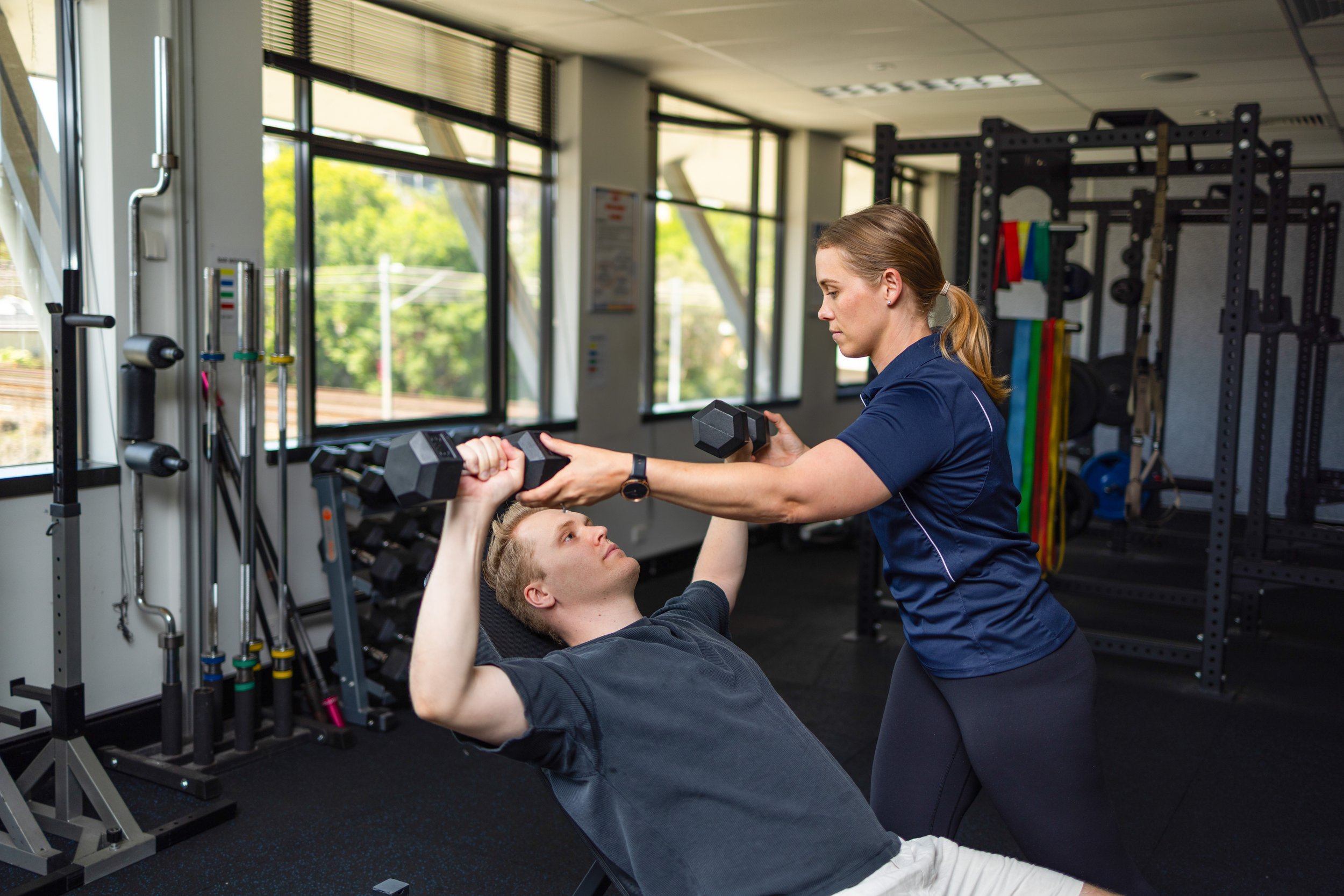
Accredited Exercise Physiologists (AEPs) and Physiotherapists specialise in prescribing exercise for individuals with chronic and complex health conditions, including cardiovascular disease. As university-trained allied health professionals, AEPs and Physiotherapists can design individualised programs tailored to medical history, current capacity and personal goals.
AEP services are available privately, and with a GP referral, you may qualify for a Chronic Disease Management plan (CDMP), which could subsidise up to five allied health sessions per year.
Physical Inactivity and Cardiovascular Risk
Physical inactivity is a significant modifiable risk factor for cardiovascular disease, as well as other chronic conditions such as type 2 diabetes. Individuals who do not meet recommended physical activity guidelines are considered physically inactive.
Research indicates that prolonged sitting (more than eight hours per day) combined with no physical activity is associated with a mortality risk (3) similar to that of obesity (4) and smoking (5).
Other modifiable cardiovascular risk factors include:
High blood pressure
High cholesterol
Diabetes
Poor nutrition
Chronic stress
Small changes can make a big difference. Reach out to an Accredited Exercise Physiologist or a Physiotherapist and let us help you build simple, sustainable habits to protect your heart.
References:
National Heart Foundation of Australia. (2024). Get started with more physical activity. https://www.heartfoundation.org.au/healthy-living/physical-activity/physical-activity-getting-started
Australian Government Department of Health and Aged Care. (n.d.). 24-hour movement guidelines for adults (18–64 years). https://www.health.gov.au/topics/physical-activity/24-hour-movement-guidelines-for-all-australians/recommendations-for-adults-18-to-64-years
Li, S., Lear, S. A., Rangarajan, S., et al. (2022). Association of sitting time with mortality and cardiovascular events in high-income, middle-income, and low-income countries. JAMA Cardiology, 7(8), 796–807. https://doi.org/10.1001/jamacardio.2022.1581
Heart Research Institute. (n.d.). Obesity and overweight. https://www.hri.org.au/health/learn/risk-factors/obesity-and-overweight
Heart Research Institute. (n.d.). Smoking. https://www.hri.org.au/health/learn/risk-factors/smoking