
We have all heard the advice to “walk it off” when feeling stressed. For decades this was vague lifestyle advice. But science has fundamentally changed this picture — exercise isn’t just a side dish in mental healthcare; it is the main course. Research now confirms that for many people, hitting the gym or the pavement can be just as effective as medication or counselling.1
The exercise effect
In 2023, researchers published a landmark umbrella review analysing 97 previous systematic reviews involving over 128,000 participants. The conclusion was quite revealing, engaging in physical activity can have effects similar to those of psychotherapy and medication for depression and anxiety symptoms 1. This doesn’t mean medication doesn’t have a place, but it highlights exercise as a genuine first-line option, not an optional add-on. This research also suggests that shorter and less demanding exercise programs can sometimes improve depression and anxiety more than longer or more intense ones 1. This tells us even short, gentle bouts of movement (eg like a 10–15 minute walk) can help lift your mood.
It’s not just “endorphins”
You have probably heard of the “runner’s high” and thought it was caused by endorphins. Modern science tells a more interesting story. In a 2021 study, researchers blocked the body’s endorphin system and asked people to run, and they still felt happier and less anxious after exercise. Instead, researchers found a rise in endocannabinoids – natural chemicals your body makes that can enter the brain and help you feel calmer, less stressed and in a better mood after physical activity 2.

Take it outside
Exercising in nature is also great. Physical activity in natural green and blue spaces produced significant improvements in mood, anxiety, and positive affect — beyond what indoor exercise offers alone.3 When you can, trade the fluorescent lights for sunlight and trees.
Better together: The social connection
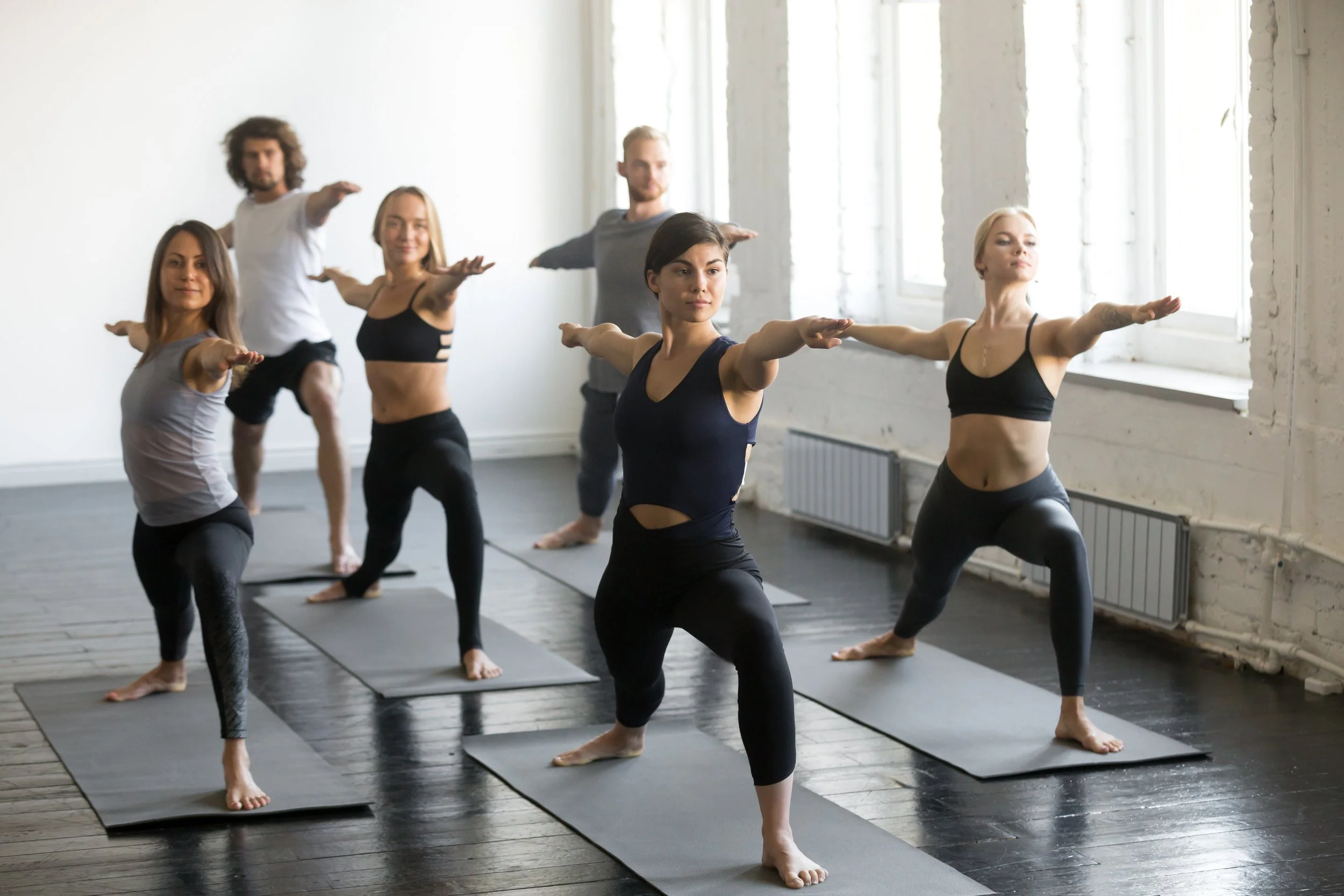
Depression and anxiety may often get worse when people feel alone or disconnected. One of the powerful benefits of exercise is that it can bring people together. A large study of more than 1.2 million Americans found that people who played team sports had the biggest improvement in mental health compared with people who didn’t exercise 4. Joining a class, group or sports team doesn’t just get you moving, it also helps you connect with others, build support, build a sense of community, and feel less alone.
Don’t skip the weights
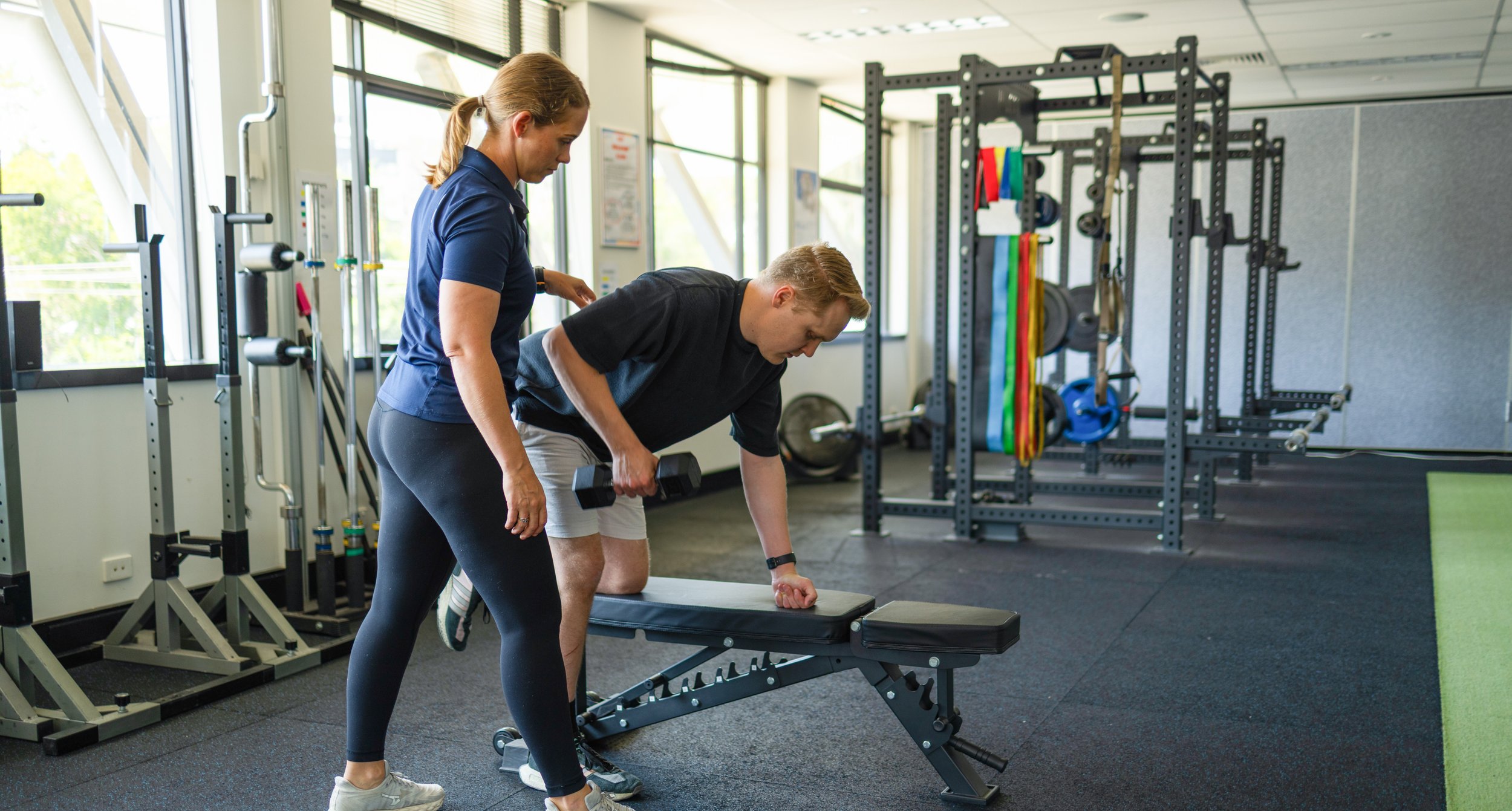
When we think about exercise for mental health, we often picture running or yoga. However, lifting weights can be just as helpful. Weightlifting can also reduce feelings of depression in many different groups of people, no matter their health, or how much they lift 5. Depression can sometimes make you feel like you can't do things, but seeing yourself get stronger can show you that you really can change.
What should you do?
Major organisations including the Australian Government Department of Health and Aged Care provides clear guidance 6:
Be active on most days with 2.5 to 5 hours of moderate aerobic activity per week or 1.25 to 2.5 hours of vigorous activity or an equivalent combination of both 6
Add strength training at least twice a week
Minimise and break up long periods of sitting
Start slow and go easy. If you have anxiety, begin with gentle exercise at a comfortable level. Intense activity can cause feelings like a racing heart or shortness of breath, which might be upsetting. Take small steps and gradually increase your activity to build confidence.7
The bottom line
Exercise is free, accessible, and its side effects include better heart health and more energy. Whether it is a walk in the park, a group fitness class, or the weights room — moving your body is one of the most powerful things you can do to improve your mental wellbeing. Contact one of our exercise physiologists or physiotherapists if you would like to discuss how to build a safe, personalised program tailored to you.
Disclaimer: This article is for informational purposes only. Always consult your doctor or mental health professional before making significant changes to your treatment plan.
References
Singh, B., Olds, T., Curtis, R., Dumuid, D., Virgara, R., Watson, A., Szeto, K., O’Connor, E., Ferguson, T., Eglitis, E., Miatke, A., Simpson, C. E., & Maher, C. (2023). Effectiveness of physical activity interventions for improving depression, anxiety and distress: An overview of systematic reviews. British Journal of Sports Medicine, 57(18), 1203–1209. https://doi.org/10.1136/bjsports-2022-106195
Siebers, M., Biedermann, S. V., Bindila, L., Lutz, B., & Fuss, J. (2021). Exercise-induced euphoria and anxiolysis do not depend on endogenous opioids in humans. Psychoneuroendocrinology, 126, 105173.
Coventry, P. A., Brown, J. E., Pervin, J., Brabyn, S., Pateman, R., Breedvelt, J., Gilbody, S., Stancliffe, R., McEachan, R., & White, P. L. (2021). Nature-based outdoor activities for mental and physical health: Systematic review and meta-analysis. SSM - Population Health, 16, 100934.
Chekroud, S. R., Gueorguieva, R., Zheutlin, A. B., Paulus, M., Krumholz, H. M., Krystal, J. H., & Chekroud, A. M. (2018). Association between physical exercise and mental health in 1.2 million individuals in the USA between 2011 and 2015: A cross-sectional study. The Lancet Psychiatry, 5(9), 739–746.
Gordon, B. R., McDowell, C. P., Hallgren, M., Meyer, J. D., Lyons, M., & Herring, M. P. (2018). Association of efficacy of resistance exercise training with depressive symptoms: Meta-analysis and meta-regression analysis of randomized clinical trials. JAMA Psychiatry, 75(6), 566–576.
Australian Government Department of Health and Aged Care. (n.d.). Physical activity and exercise guidelines for all Australians. https://www.health.gov.au/topics/physical-activity-and-exercise/physical-activity-and-exercise-guidelines-for-all-australians
Lederman, O., Grainger, K., Stanton, R., Douglas, A., Gould, K., Perram, A., Baldeo, R., Fokas, T., Nauman, F., Semaan, A., Hewavasam, J., Pontin, L., & Rosenbaum, S. (2016). Consensus statement on the role of Accredited Exercise Physiologists within the treatment of mental disorders: A guide for mental health professionals. Australasian Psychiatry, 24(4), 347–351.